

News
September 30, 2021

Baylor announced the successful completion of the Baylor Academic Challenge, which generated significant support from alumni and donors to establish 14 new endowed faculty chairs and significantly advance the University’s strategic plan.
September 25, 2021

Baylor University's vision affirms that the world needs a preeminent Christian research university, addressing significant global challenges through top-tier research. Learn more about systemic growth across Baylor's research enterprise and advancement toward R1/Tier research status.
September 24, 2021

Danielle Parrish fills gaps in care for young women in the juvenile justice system.
September 24, 2021
Future water challenges are beyond the scope of a single discipline to solve. Bryan Brooks collaborates with scientists and stakeholders around the world to identify upstream solutions to dynamic water challenges.
September 24, 2021

Ronald Angelo Johnson’s research illuminates how past generations inspire modern solutions.
September 24, 2021

Zhenrong Zhang’s nanoscale microscope development addresses multidisciplinary challenges.
September 24, 2021

Baylor celebrates substantial research growth and all who make it possible on National Research Administrator Day, and launches a new brand campaign highlighting research marked by compassion, curiosity and courage.
September 20, 2021

A $1.5 million gift from Jim and Tammy Snee establishes an endowed faculty chair position to lead research efforts addressing food security through the Baylor Collaborative on Hunger and Poverty (BCHP).
September 14, 2021

Chris Kearney is developing a prophylactic approach to address the military's No. 1 infectious disease challenge, utilizing peptides to prevent traveler's diarrhea.
September 13, 2021
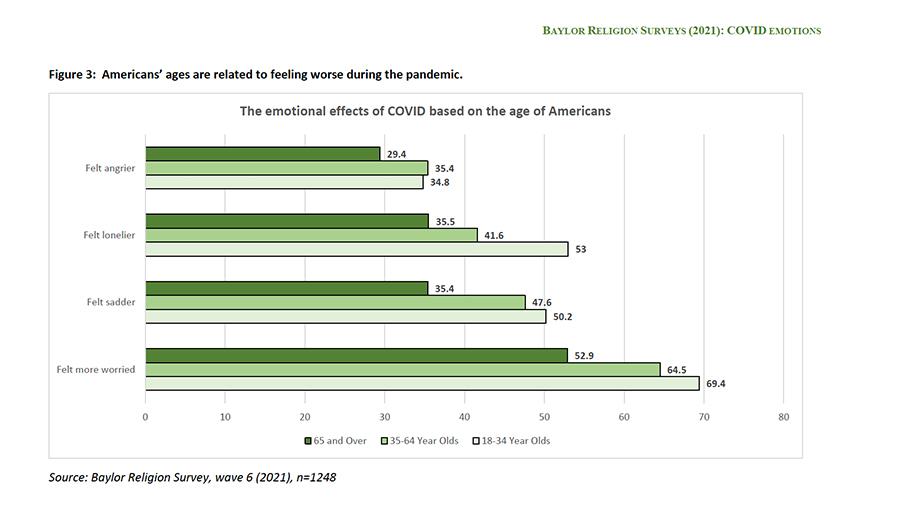
Results from Baylor Religion Survey Wave 6 data show patterns of negative emotional responses to COVID-19 pandemic.
September 9, 2021

The Vance Masteller Chair within Communication Sciences and Disorders will help to attract and retain a leading scholar researcher who will serve as a leader for the department’s new Autism Clinic.
September 2, 2021

With her latest research, Allison Alford continues to draw attention to what she describes as the underappreciated role of the daughter in American society.
August 25, 2021

At the intersection of toxicology and materials science, Christie Sayes is working to promote health as advanced materials presented uncharted opportunities on airplanes, automobiles and more.
August 18, 2021

Bryan Brooks is a partner of the Global Estuaries Monitoring (GEM) Programme to study environmental pollutants in the estuaries of major cities across the globe.
August 5, 2021

George Cobb, professor and chair of environmental science, has been appointed to serve as a member of the U.S. Environmental Protection Agency (EPA) Science Advisory Committee on Chemicals.
August 4, 2021

Leigh Greathouse, Ph.D., human sciences and design faculty and cancer survivor, receives $480,000 Department of Defense Career Development Award to study link between diet and colon cancer treatment.
August 1, 2021

Resuscitative drug to aid individuals injured far from care, patented by Baylor environmental science professor Erica Bruce.
July 22, 2021

Esteemed researcher, inventor, is the University’s first endowed chair hire through the Baylor Academic Challenge; will join Baylor from Oregon State University in 2022.
July 19, 2021

Learn more about how Baylor professors and inventors are expanding the color palette available to creatives on digital cameras, stretching beyond traditional RGB broadcast color.
July 16, 2021

Significant strides made over the past four years across numerous metrics have the University projected to achieve its R1 goals by 2024.
July 15, 2021

Baylor researcher Ryan McManamay considers ecosystem footprint of climate mitigation energy pathways in study published in Biological Conservation.
July 12, 2021

Cheolho Sim, associate professor of biology, has dedicated his research towards suppressing mosquito populations and slowing the spread of disease. He recently earned an NSF grant to untangle the genetic roots of diapause.
June 22, 2021

New study that includes contributions by Baylor planetary geophysicist Peter James, identifies previously unrecognized pattern of tectonic deformation on Venus.
June 21, 2021
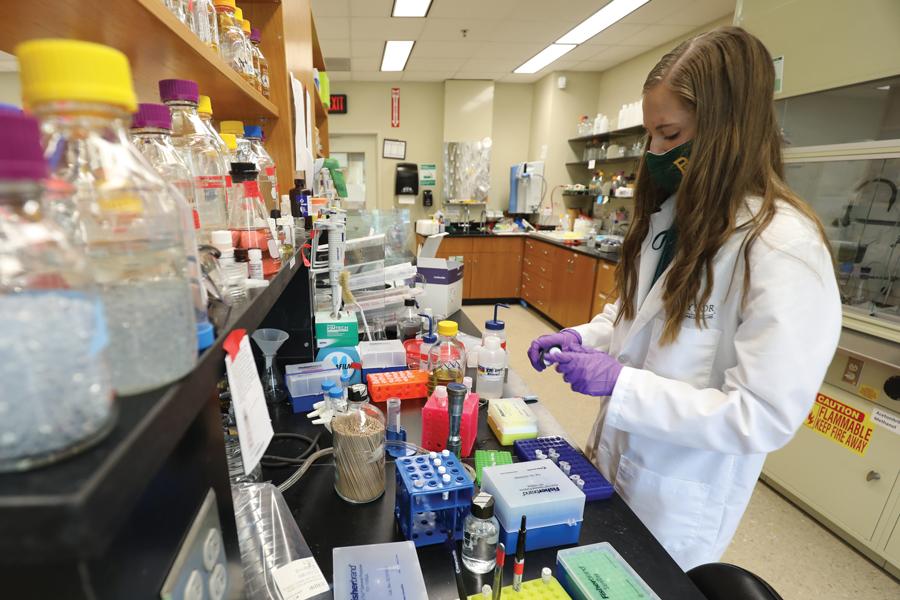
The Science Research Fellows (SRF) major in Baylor’s College of Arts & Sciences provides a quick start for students who have their sights focused on scientific research.
June 15, 2021

When an organization supports its employees who choose to adopt children, the employees, their families, the adopted children and the organization itself experience positive benefits and outcomes, according to new research from Baylor University.
June 14, 2021

Baylor sleep researcher Michael Scullin finds “earworms” continue during sleep, can cause restless nights in study in Psychological Science.
June 9, 2021

Patterns in American religious attitudes, behaviors and beliefs just after the 2020 presidential election and during the coronavirus pandemic are the latest focus of the Baylor Religion Survey, the most comprehensive national survey studying religion in America.
June 8, 2021

Jameson Graber’s award, the first NSF CAREER award earned by a Baylor math faculty member, applies game theory and partial differential equations to high level societal questions.
June 3, 2021

SMPTE, NASA among organizations at introduction of compatible system that transcends traditional color range, enables digital screens to display “colors within the colors” naturally seen by the human eye.
May 31, 2021
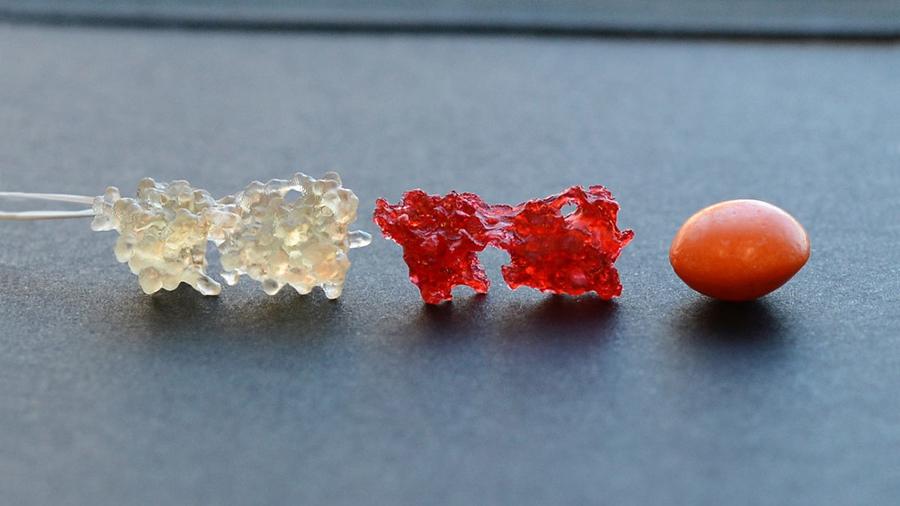
Baylor researchers, led by Bryan Shaw, found oral tactile visualization of complex 3D structures to be as accurate as eyesight in Science Advances - published study.
May 28, 2021
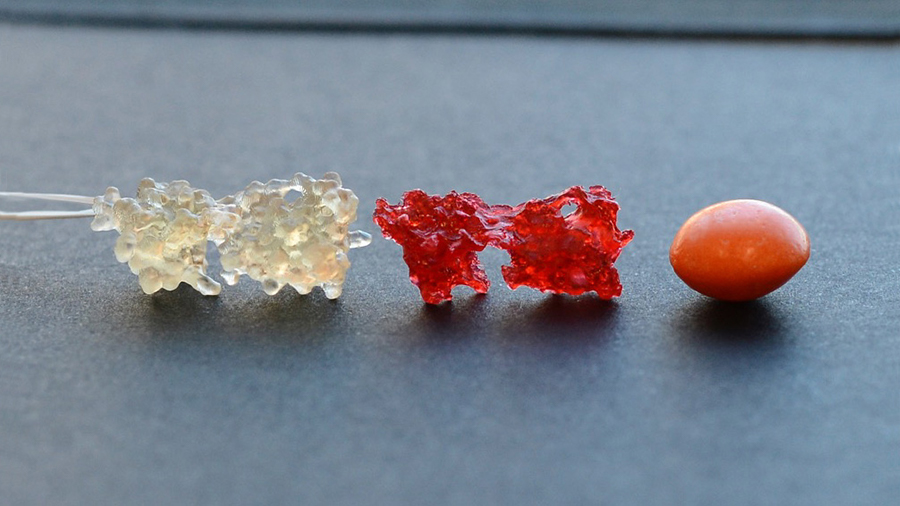
WACO, Texas (May 28, 2021) – About 36 million people have blindness including 1 million children. Additionally, 216 million people experience moderate to severe visual impairment. However, STEM (science, technology, engineering and math) education maintains a reliance on three-dimensional imagery for education. Most of this imagery is inaccessible to students with blindness. A breakthrough study by Bryan Shaw, Ph.D., professor of chemistry and biochemistry at Baylor University, aims to make science more accessible to people who are blind or visually impaired through small, candy-like models.
May 26, 2021
Danielle Parrish in Baylor's Diana R. Garland School of Social Work has been awarded a $3.1 million NIH grant to study the efficacy of risk reduction intervention efforts for young women age 14-17 in the juvenile justice system.
May 24, 2021

David Jack, Baylor professor of mechanical engineering, is working to arm the aerospace industry with resources to make it smarter and safer through non-destructive testing technology.
May 20, 2021
The research of Karol Hardin will help Spanish-speaking patients overcome obstacles to healthcare through a focus on effective communication and equity.
May 5, 2021
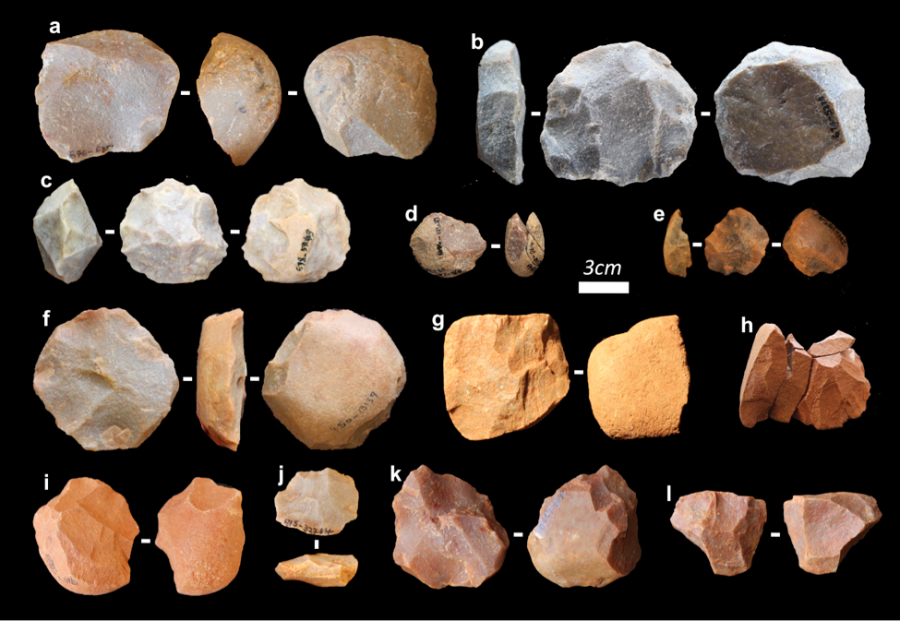
A Yale-led study, with contributions from a Baylor University paleoclimatologist, provides the earliest evidence to date of ancient humans significantly altering entire ecosystems with flames.
April 23, 2021

This year, Baylor launched a strategic partnership with My Labs Direct (MLD), a CLIA-certified, COLA-accredited diagnostic lab, in opening an on-site COVID-19 testing lab and research facility in the University's Baylor Research and Innovation Collaborative.
April 19, 2021
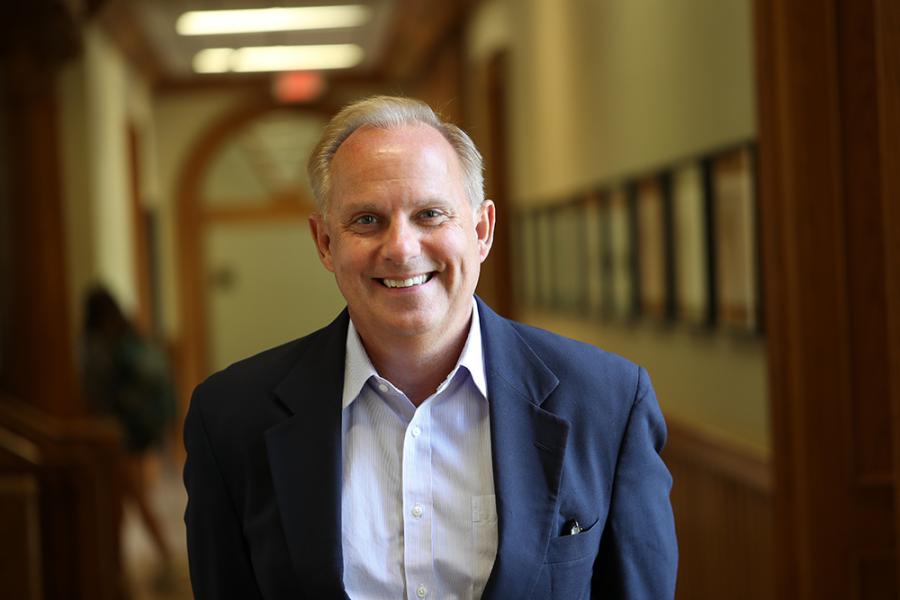
Movies, books, sermons, political speeches and other media Americans consume have played a pivotal role in shaping racial attitudes and opinions. English professor Greg Garrett has earned a $488,000 grant by the Eula Mae and John Baugh Foundation to study those dynamics.
April 14, 2021
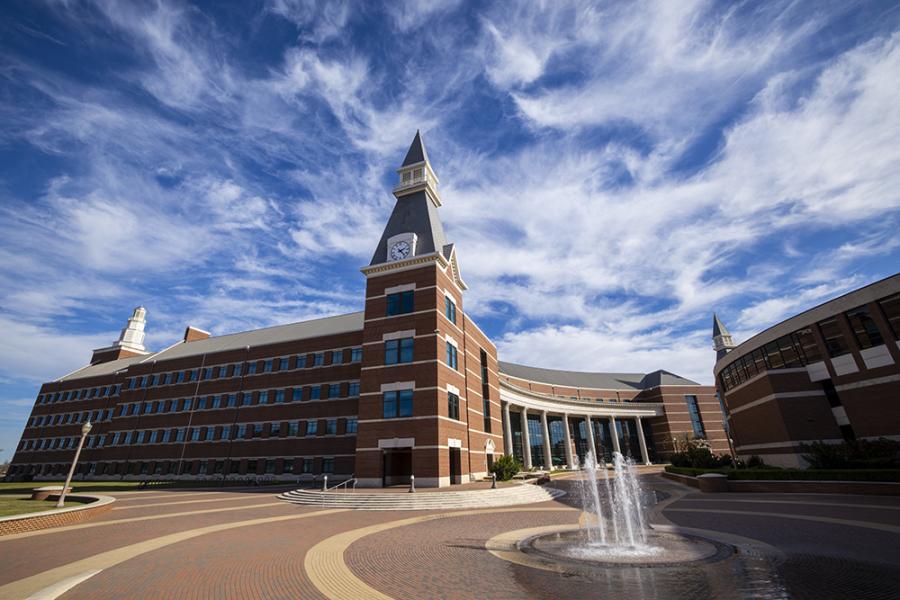
Five newly endowed positions, funded through the Baylor Academic Challenge, will provide strategic growth to Baylor academic programs and research as the University invests in R1 research output and infrastructure.
April 12, 2021
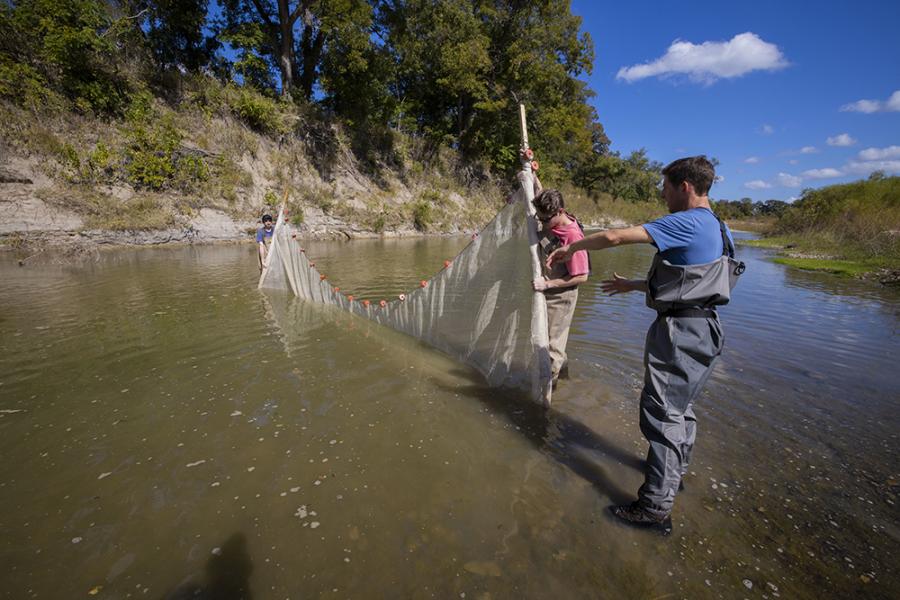
Ryan A. McManamay, assistant professor of environmental science, is among the recipients of the Sustainability Science Award from the Ecological Society of America, given to the authors of a scholarly work that makes the greatest contribution to the emerging science of ecosystem and regional sustainability.
April 5, 2021

Doris Miller was "the first American hero of World War II," but as an African-American in the 1940s, his impact had to fight through layers of suppression. Now, a Baylor history professor's work is shining increased light on his contributions-not only at Pearl Harbor, but on the Civil Rights Movement that followed.
March 31, 2021
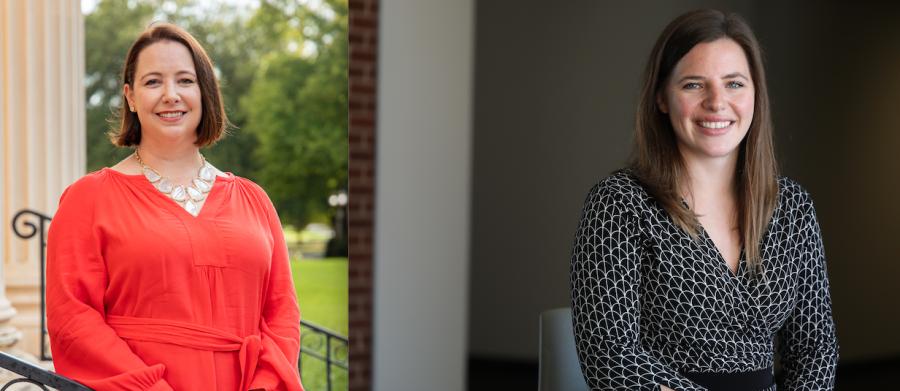
The awards, presented to educational psychology faculty Tonya Davis and Stephanie Gerow, provide over $800,000 in funding to provide Texas parents and teachers with behavioral intervention training.
March 29, 2021

Baylor marketing professors found that fear plus information receptivity equals preventive behaviors to protect self and others during COVID-19 pandemic.
March 24, 2021
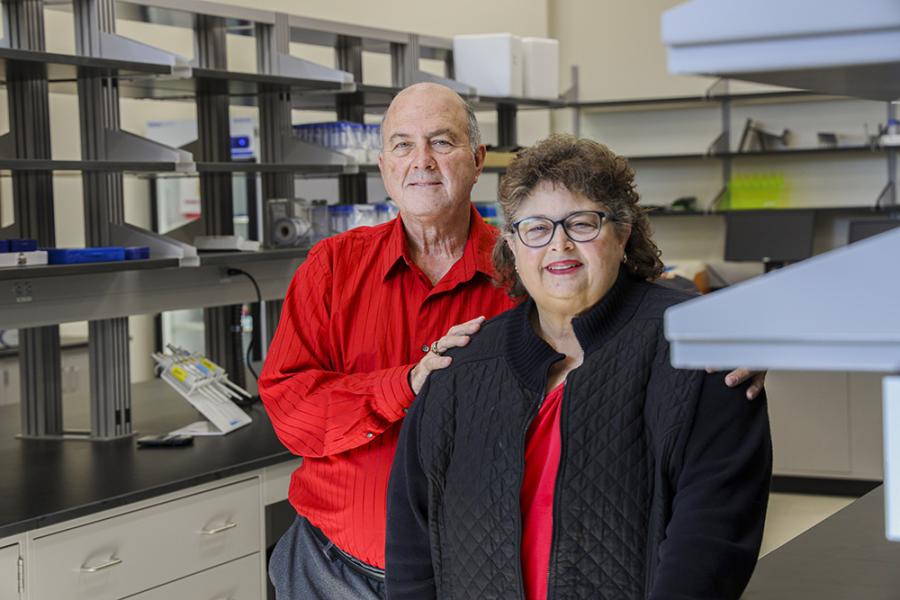
A new Baylor laboratory will house high-level research in cancer, kidney disease, heart disease, diet and more, backed by a family who found a meaningful way to honor the memory of their son.
March 22, 2021
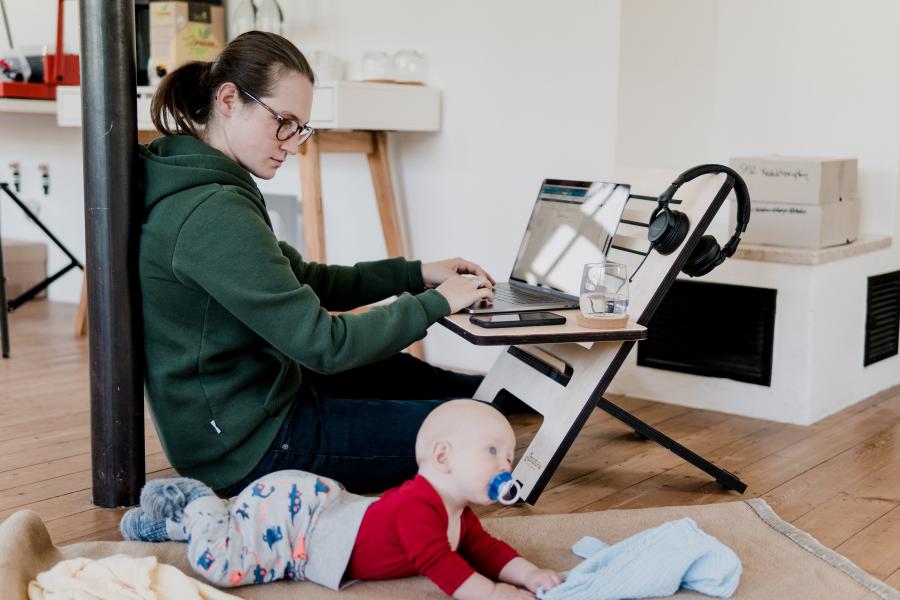
National work-family policies that give lower-income families more time together while allowing them paid time off are more effective for children’s psychological health than cash transfers, according to a study of developed nations led by Baylor University.
March 18, 2021
A research team that includes a Baylor University scholar on race and religion will lead a national effort to help congregations confront structures of racism in their communities.
March 4, 2021
A coveted grant from the U.S. Department of Education, awarded to Stephanie Gerow, assistant professor of educational psychology, will fund research to provide early childhood professionals with behavioral intervention training for children with developmental disabilities.
February 16, 2021
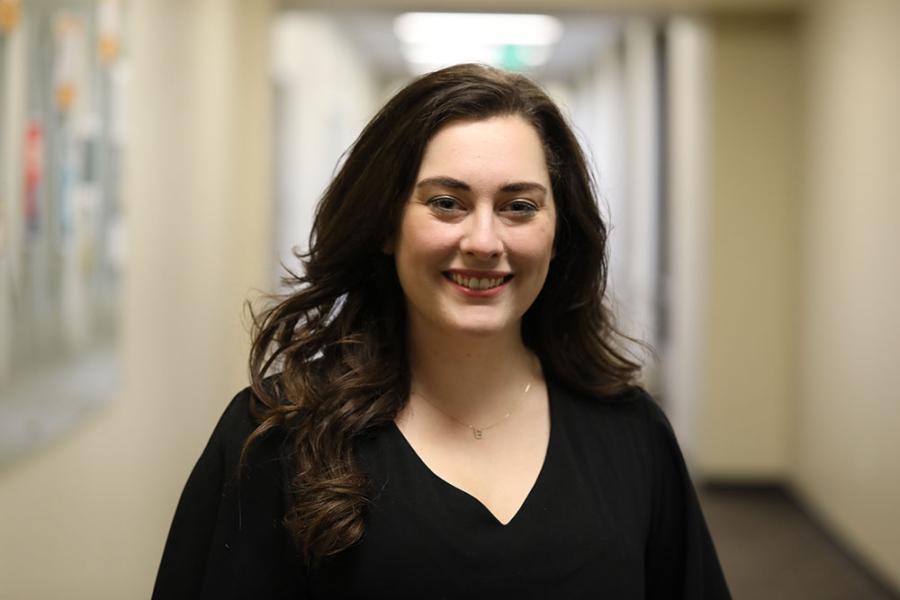
Tools of innovation, science and technology look to the future. To fully understand current and future health challenges, however, Mary Lauren Benton, Ph.D., assistant professor of bioinformatics, says history cannot be ignored.
February 5, 2021
Both organizations commit to efforts through research, service to address issues of systemic poverty, combining research expertise of health and human sciences faculty with community connections and resources in Rwanda.
February 1, 2021
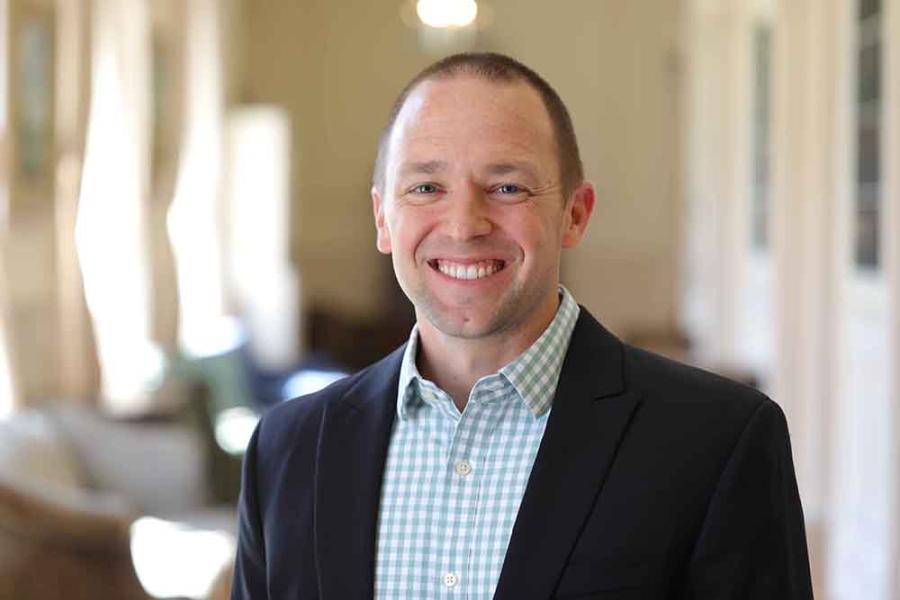
An organization that projects an ethical face but whose managers fail to respond to internal ethical situations can lead to a lack of employees’ moral courage, according to a study led by a Baylor University researcher.
January 28, 2021
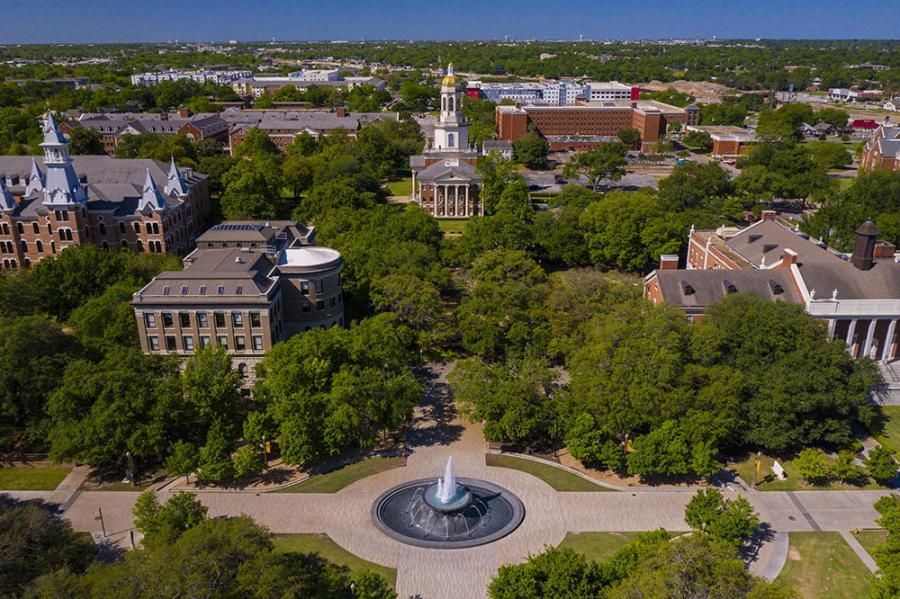
Amidst the challenges of presented in 2020, Baylor faculty "knocked it out of the park," exceeding significant research goals. A variety of research metrics and external honors, staff additions, new programs and more demonstrated substantial growth towards Baylor's Illuminate vision.
January 27, 2021
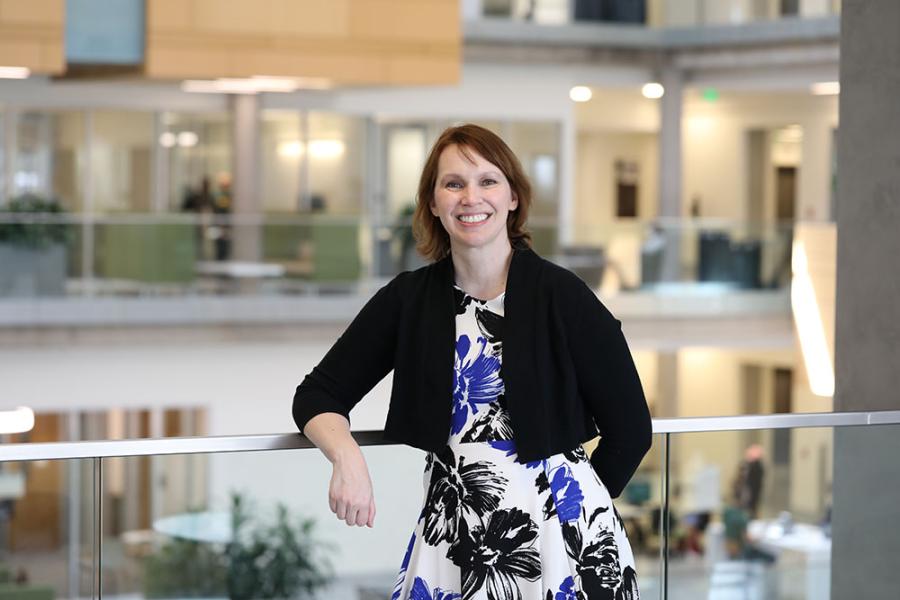
A $250,000 NSF grant will fund the formation of an interdisciplinary team, co-led by Baylor Information Systems Professor Stacie Petter, to analyze obstacles and propose solutions to empower law enforcement to more effectively combat human trafficking.
Baylor University Partners with My Labs Direct in On-Site COVID-19 Testing Lab and Research Facility
January 21, 2021
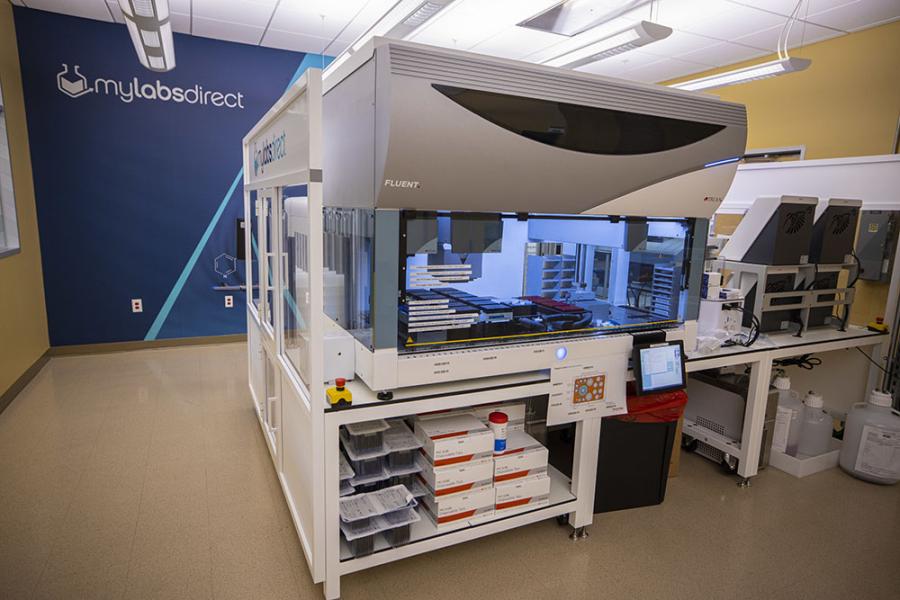
Baylor and My Labs Direct partnership yields multi-million dollar lab. Located in the Baylor Research and Innovation Collaborative, the lab will serve as a campus and community resource and advance Baylor's R1 research growth.
January 19, 2021

Discover how Baylor faculty, students and alumni apply statistical knowledge to the fight against COVID-19.
January 19, 2021
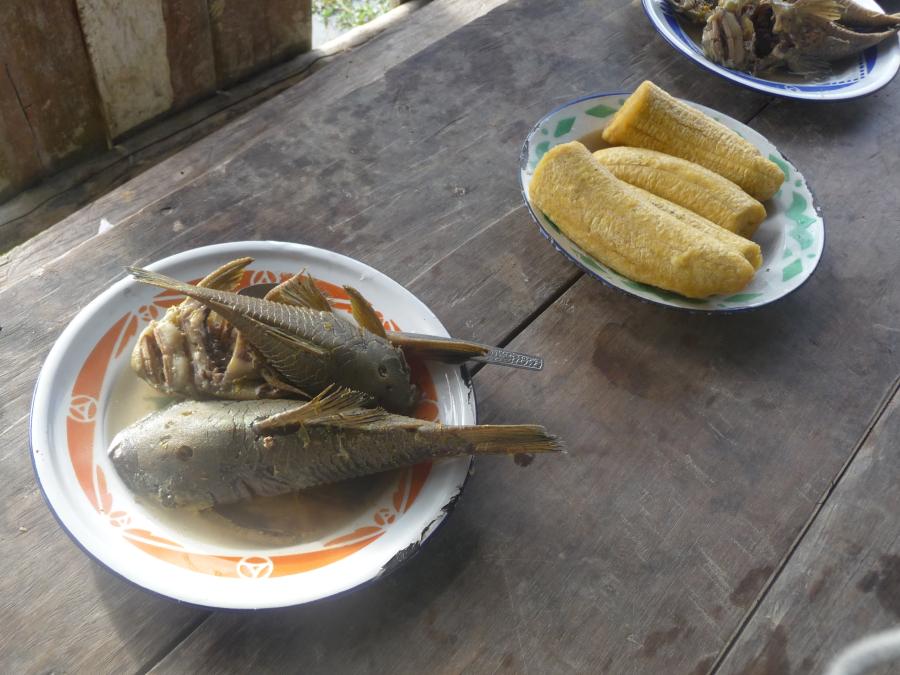
Findings among children in Amazonian Ecuador offer insight into the relative importance of diet versus energy expenditure for rise in obesity.
January 15, 2021
Baylor researcher Annie Ginty, Ph.D., an APA Rising Star and NIH career development award recipient, builds understanding of stress, the brain and the heart.
January 7, 2021

An $890,000 Department of Energy grant will fund extensive research throughout Houston metro area over a three-year period to examine the relationship between pollution and convective cell thunderstorms.
December 10, 2020
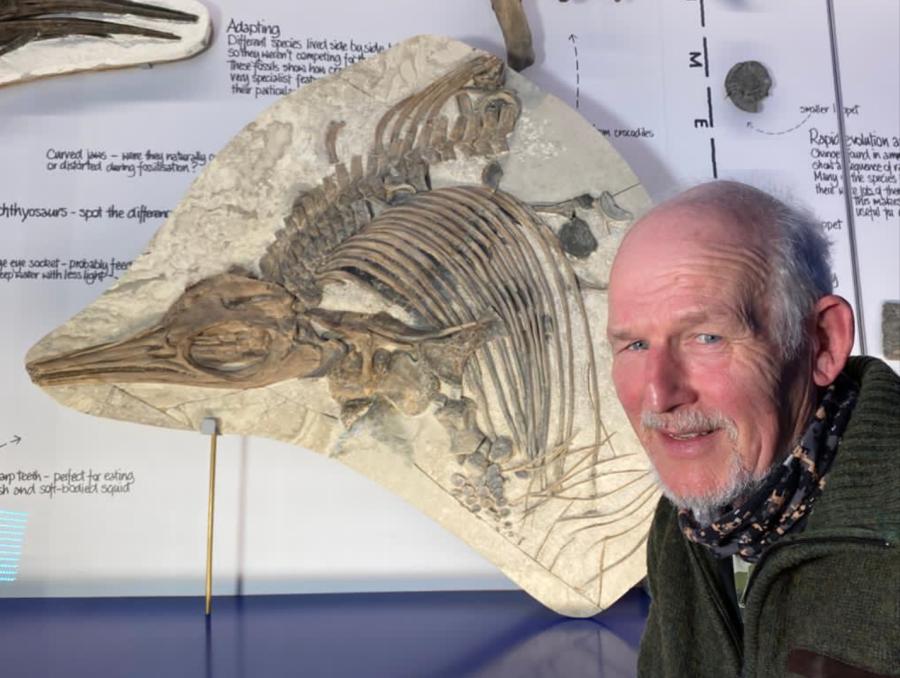
Baylor geosciences doctoral student co-authors PLOS One journal article identifying mysterious marine reptile found off English coast.
December 8, 2020
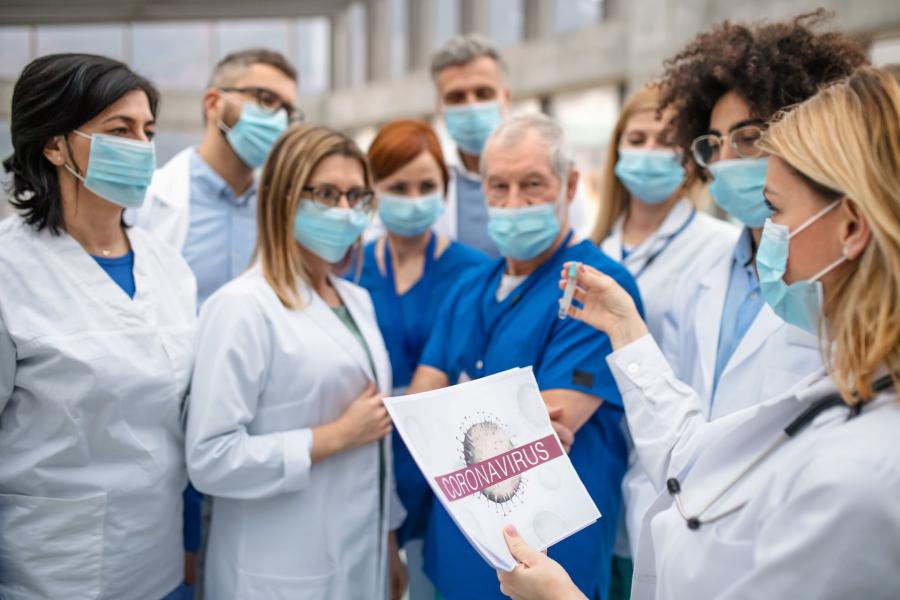
Brief “huddles” — rather than a barrage of emails and texts about safety and risk — may be the fastest and simplest way for hospital workers to avoid communication overload as they deal with the flood of COVID-19 cases, a Baylor University researcher says.
November 19, 2020

As people age, they lose lean muscle mass without appropriate interventions. That decline has a variety of health implications. LesLee Funderburk in Baylor Human Sciences and Design researches methods to counter that loss and improve health throughout the aging process.
November 16, 2020
Cynical hostility is a potential pathway to cardiovascular disease by preventing a healthy response to stress over time, according to a study led by Baylor University in the journal Psychophysiology.
November 12, 2020

Racially diverse congregations have increased substantially in the United States over the past 20 years, and the percentage of all-white congregations has declined, according to a study by Baylor University sociologists.
November 10, 2020
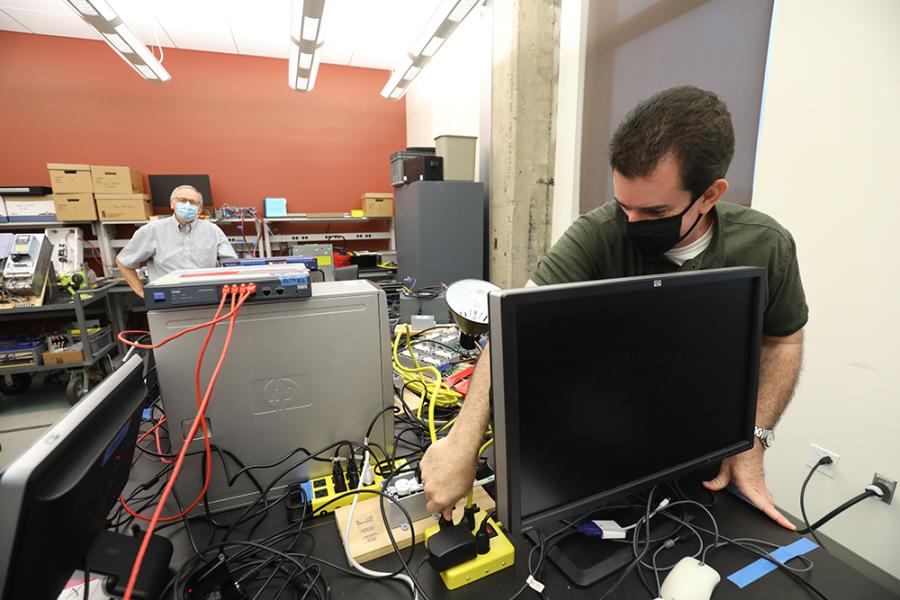
Electrical and computer engineering professor Mack Grady contributes to U.S. national defense efforts through electric power systems research.
November 6, 2020

From combustion engines to black holes, Tim Sheng's applied math research demonstrates how mathematics provide interdisciplinary heft to tackle meaningful challenges in the physical world.
November 4, 2020
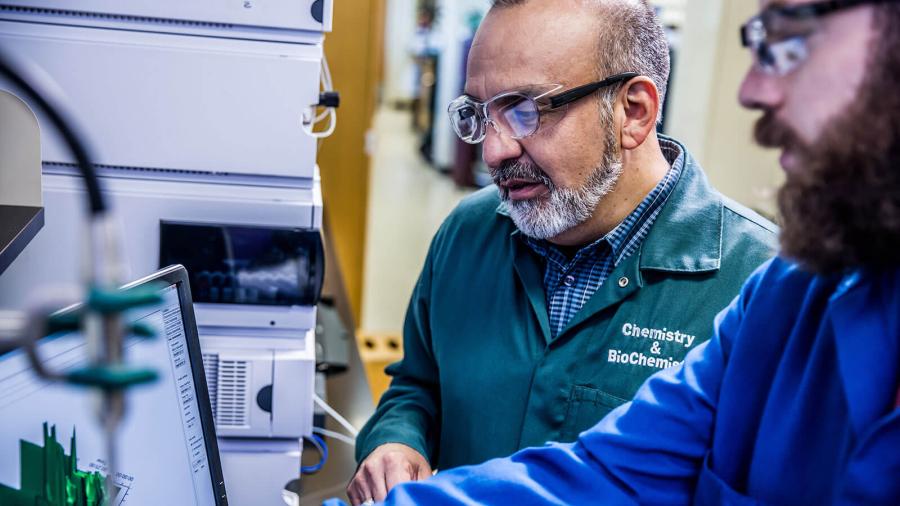
Daniel Romo pursues drug leads to fight cancer through the synthesis of organic molecules.
November 4, 2020
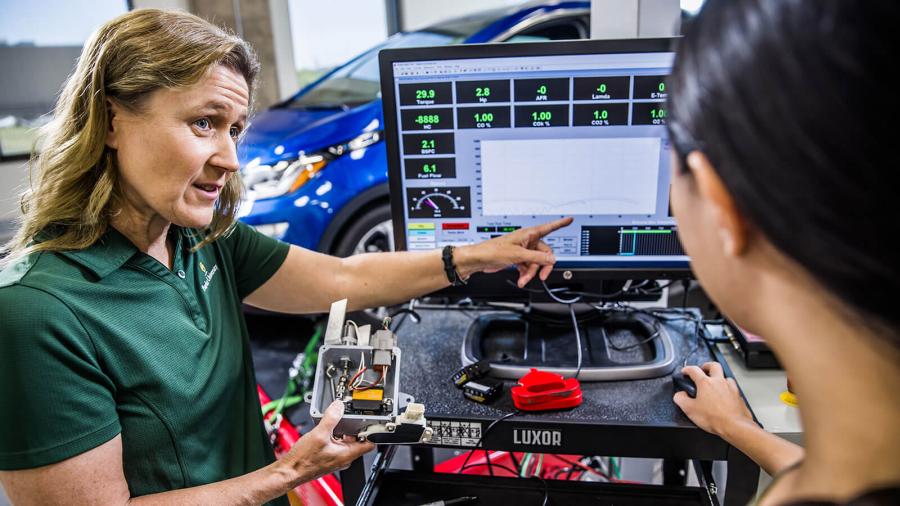
Annette von Jouanne advances sustainable transportation methods inside her Baylor laboratory.
November 3, 2020
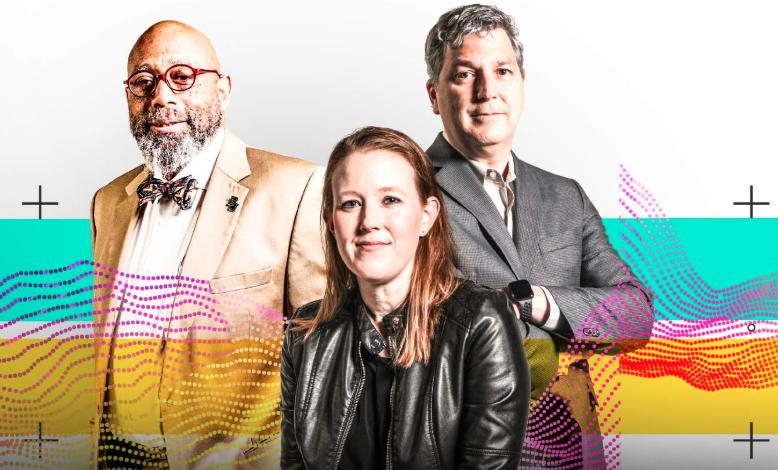
A journey into the world of data sciences at Baylor University, from disciplines like statistical science, computer science, public health, information systems, Biblical studies and more.
October 30, 2020
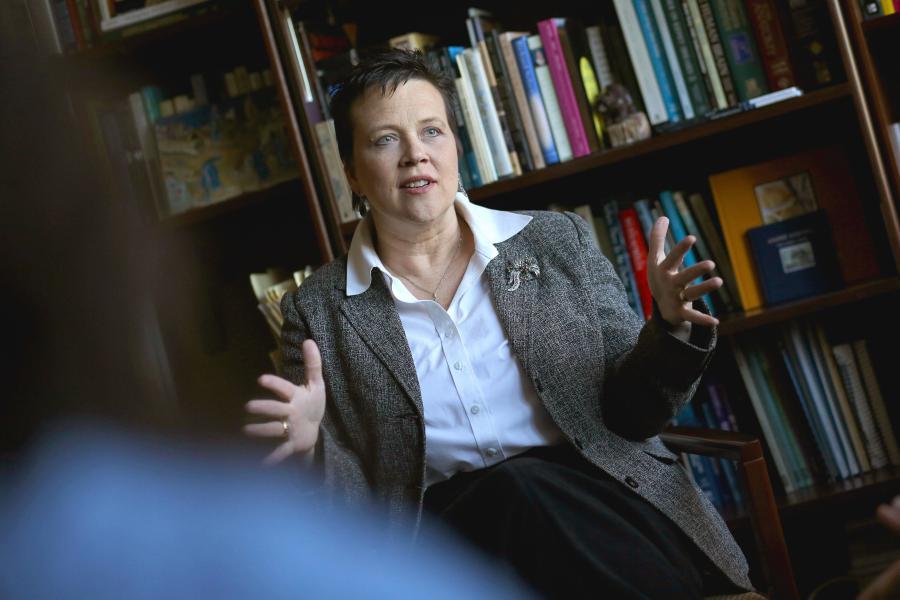
Houston-based Foundation creates Chair in Medical Humanities; Lauren Barron announced as chairholder.
October 27, 2020
Both organizations commit to research partnership to address issues that keep many in poverty.
Science for Seminaries: Grant Equips Baylor’s Truett Seminary to Incorporate Science into Curriculum
October 26, 2020
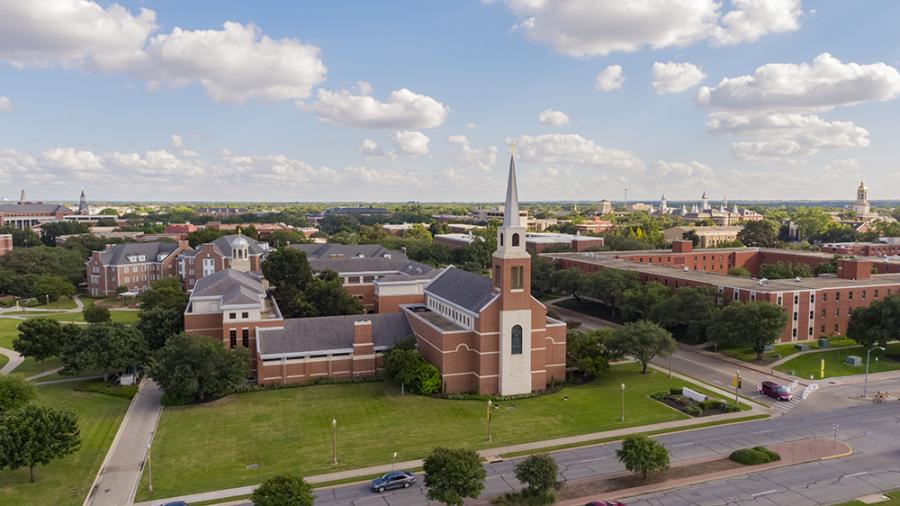
In many settings, the perceived gap between curriculum in science classes and seminaries can be difficult to bridge. Baylor University's Truett Seminary, however, is doing just that thanks to a grant providing science insights for ministry professionals.
October 12, 2020
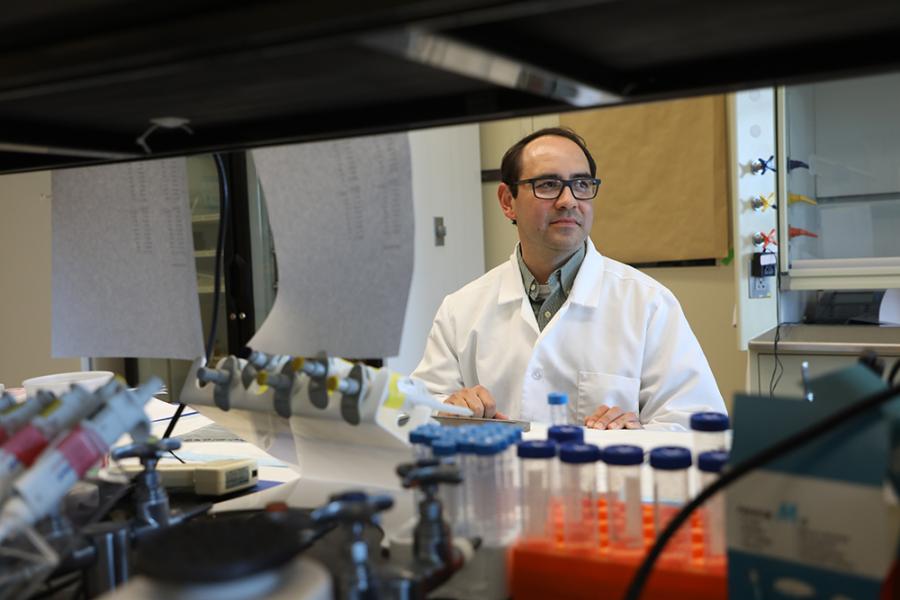
The CDC estimates that 1 in every 54 U.S. children meets Autism Spectrum Disorder criteria, highlighting the need for treatment and insight for a disorder about which little is understood. Meet four Baylor professors whose research supports children and families who work daily to overcome autism's challenges.
October 8, 2020

Using smartphone check-ins twice a day for two weeks, sociologists in a national study have found a link between individuals’ daily spiritual experiences and overall well-being, say researchers from Baylor University and Harvard University.
October 7, 2020
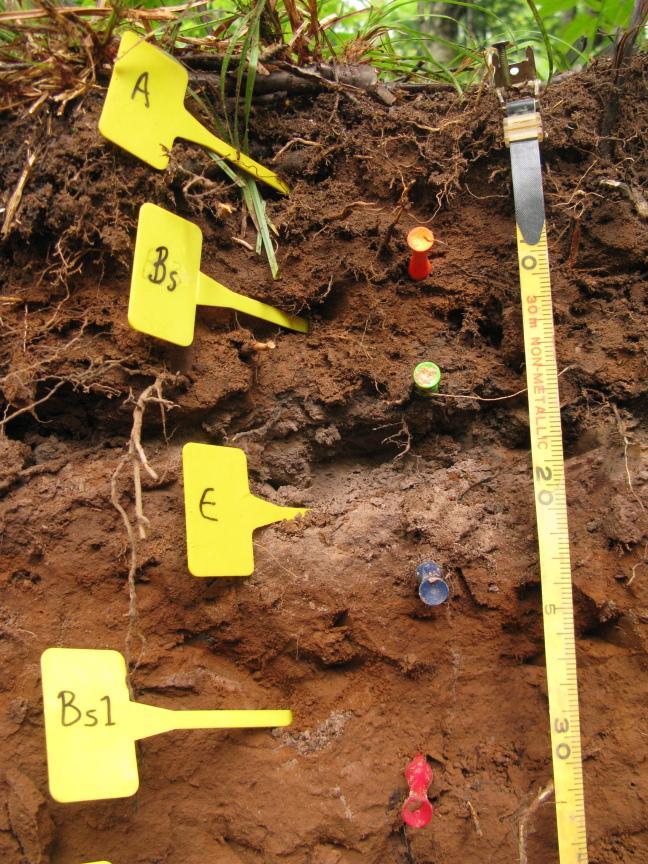
Geoscience lab at Baylor studies dozens of soil samples from across North America to understand soil formation patterns, providing insights into soil carbon's future impact on climate.
September 25, 2020
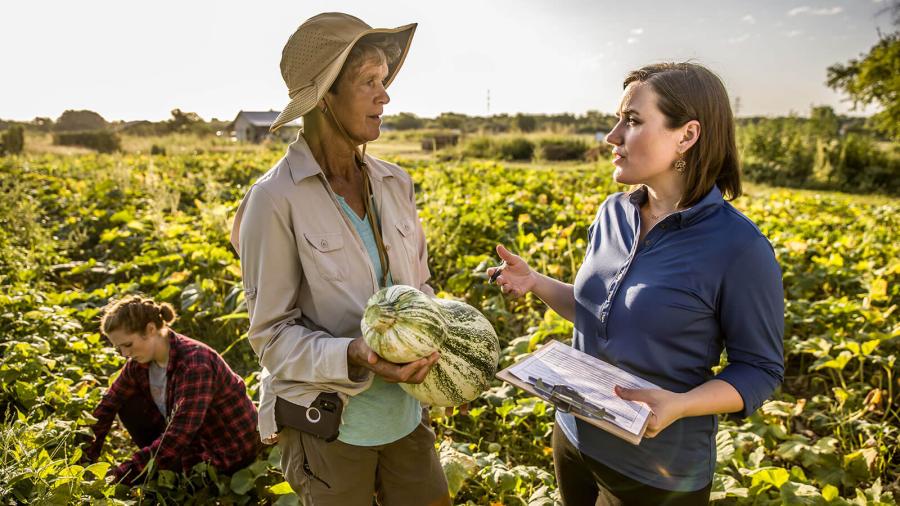
Kelly Ylitalo promotes community health through data-driven research partnerships.
September 25, 2020
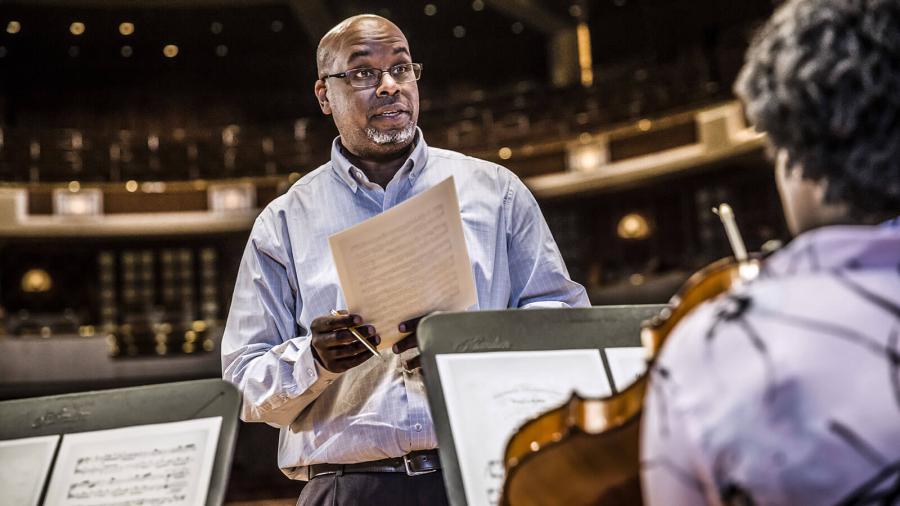
Horace Maxile illuminates the music of Black composers for modern audiences and stages.
September 25, 2020
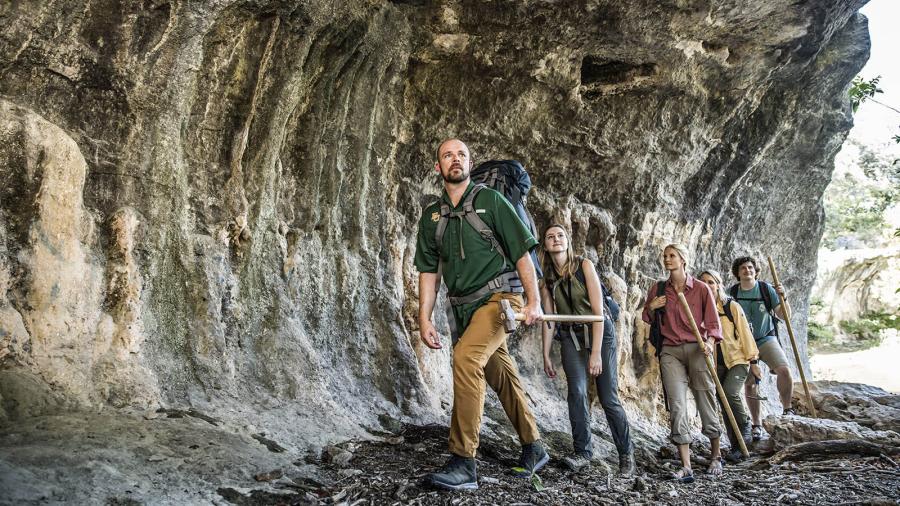
Kenny Befus explores a novel approach to the study of geological forces.
September 22, 2020
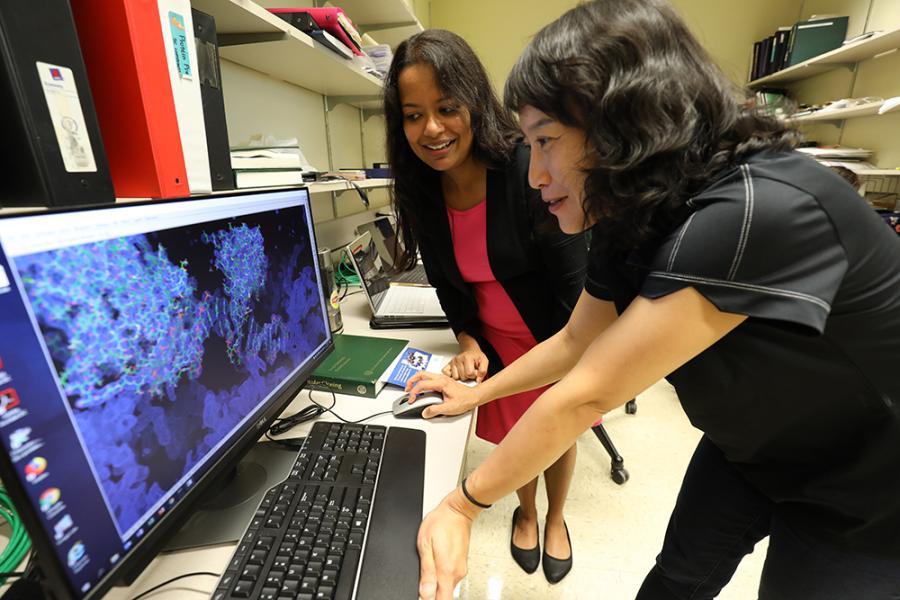
Baylor celebrates the role of postdoctoral scholars, who make important contributions to research and scholarship. The University's investment in postdoctoral scholars highlights their impact on Baylor's ambitious Tier 1 research vision.
September 22, 2020
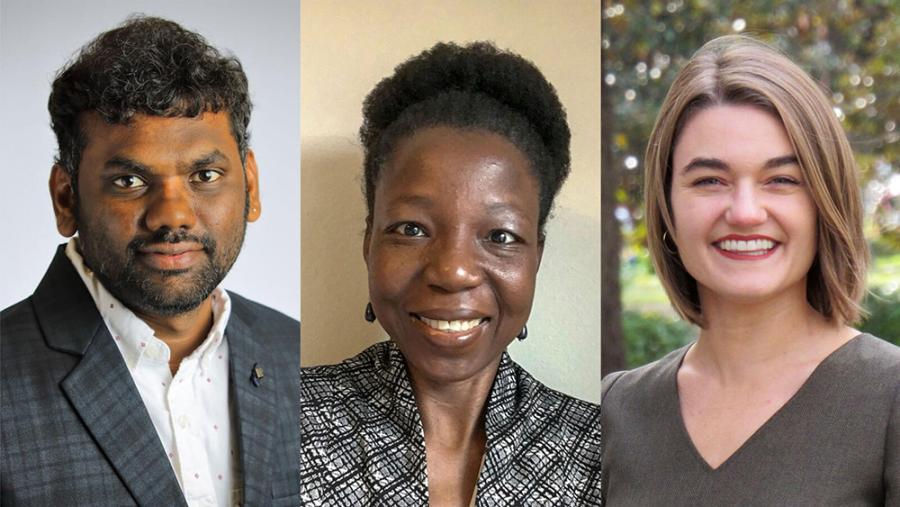
Postdoctoral scholars fuel Baylor research and advance the University mission through significant roles in labs and classrooms across campus. Meet three Baylor postdocs who serve their departments as they pursue their own academic and research goals at Baylor.
September 22, 2020

Baylor postdocs are a diverse and talented group of scholars. Each has a unique background and reason for choosing Baylor as the next step in their career development. Hear from Baylor postdocs in this series of videos.
September 22, 2020
Baylor Postdoctoral Scholars and Baylor's Postdoc Association provide a framework to meet the unique professional and personal needs of postdocs and foster a framework for intentional mentorship and growth.
September 17, 2020
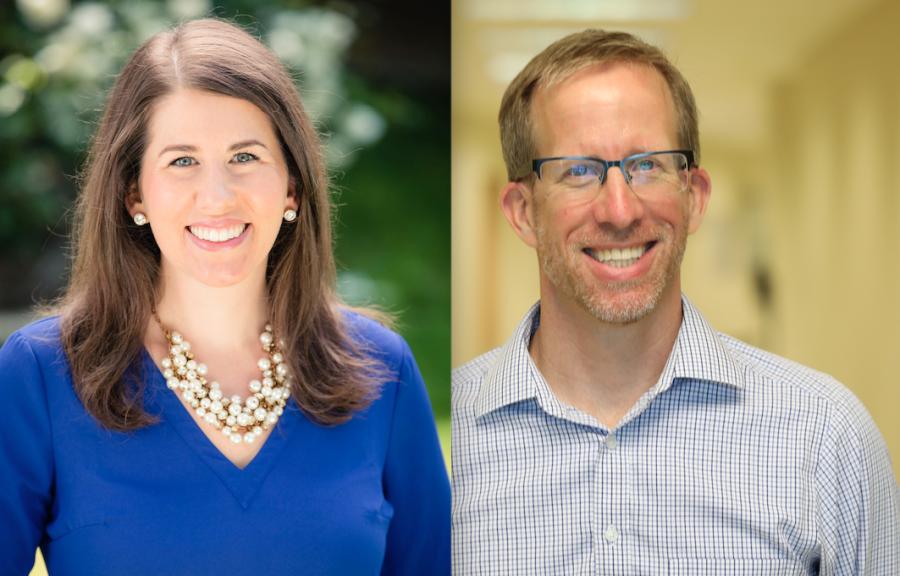
Baylor psychology and neuroscience professors seek to isolate how artistic encounters impact spiritual awareness, compassion and empathy.
September 9, 2020

Study is ‘first step’ to understanding how oxytocin during stressful events in young people may be linked to their future, Baylor University researcher says.
September 7, 2020
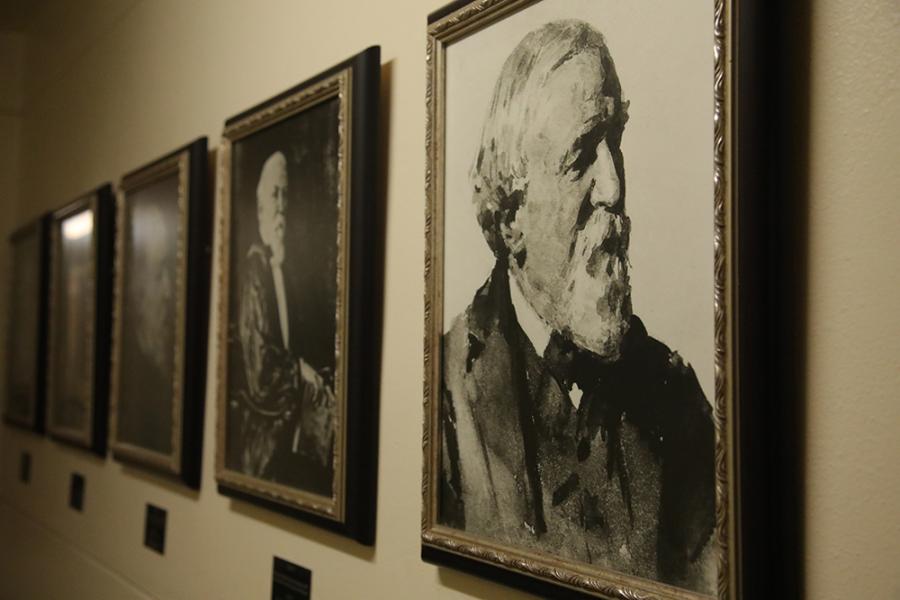
Baylor University Libraries has been awarded a $300,000 grant from the National Endowment for the Humanities to support the research of two Browning scholars. The funds will enable editing and publishing of letters written by and to Victorian poets Robert and Elizabeth Barrett Browning.
August 31, 2020

People with lower biological response to standard stress showed more PTSD symptoms after COVID-19 crisis began in study that surprised researchers.
August 24, 2020
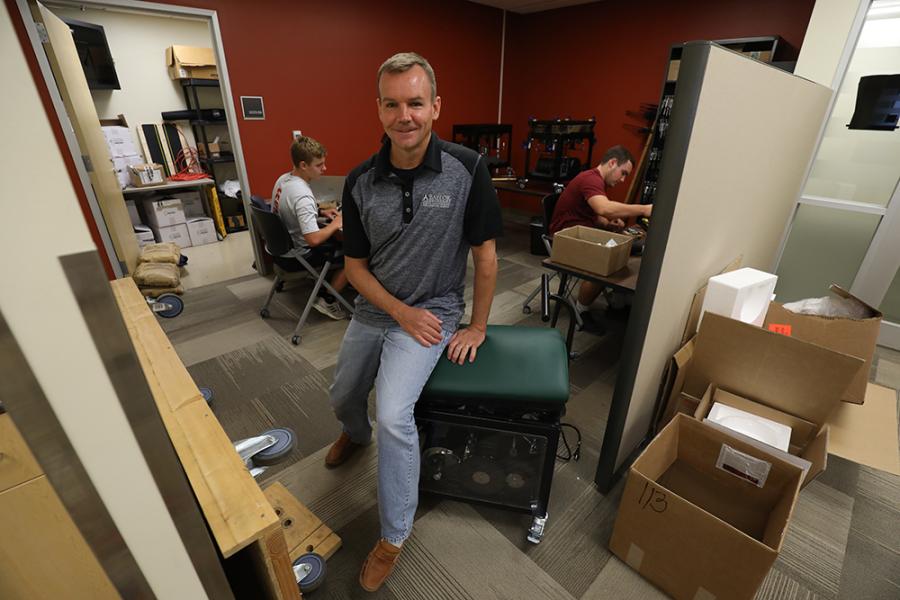
An interdisciplinary team at Baylor received a grant to evaluate a device that simulates the motion of riding a horse as an effective treatment for children with autism.
August 17, 2020

People who experience threats to their existence — such as economic and political instability — are more likely to attribute changes to the supernatural, according to a Baylor University study.
August 13, 2020
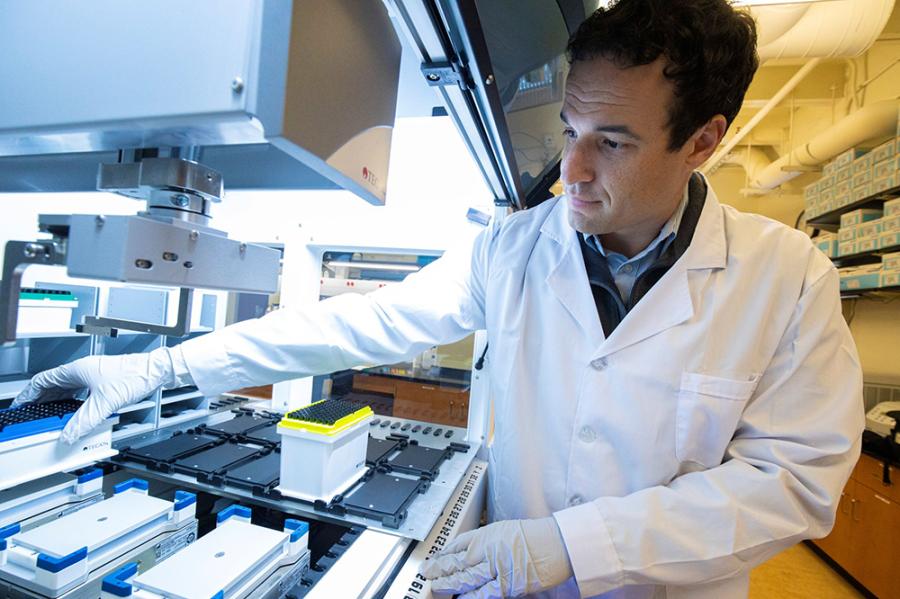
Baylor anthropologist Sam Urlacher, Ph.D., earns research funding, career development support from leading international research organization.
August 5, 2020
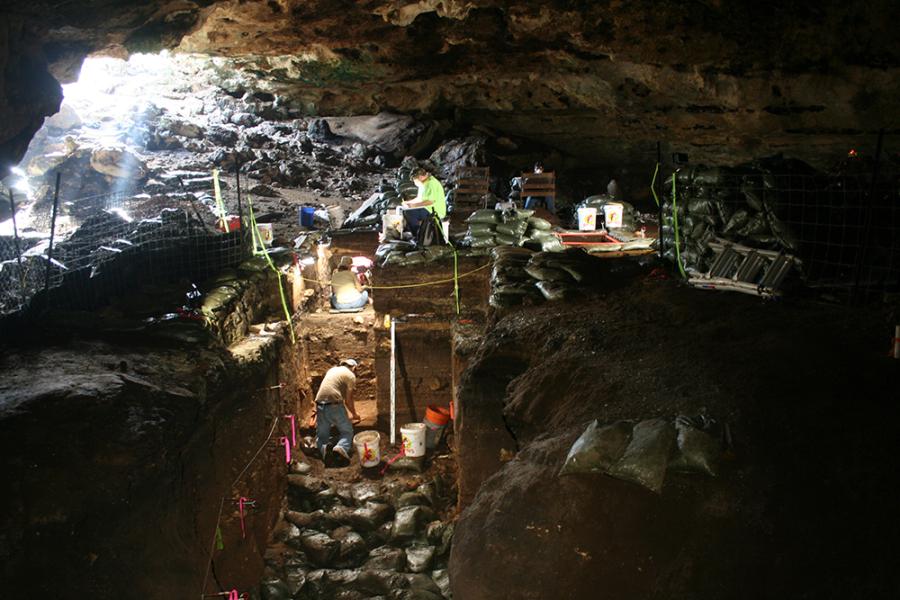
Researchers say cooling 13,000 years ago is coincident with major volcanic eruption.
July 30, 2020

USDA grant supports innovative pilot program designed to encourage Supplemental Nutrition Assistance Program (SNAP) participants to purchase and consume milk as part of a healthy, balanced diet.
July 29, 2020
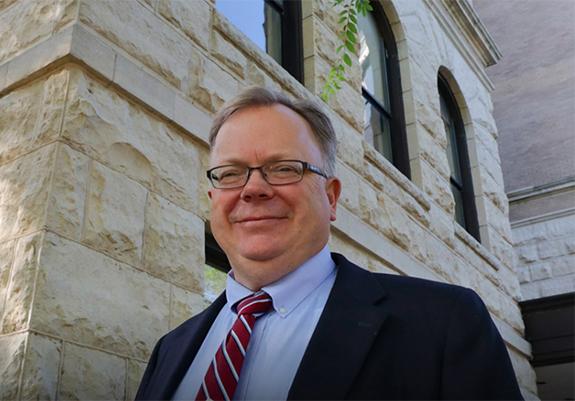
Legacy Scholar and one of America's foremost Twain scholars, Joe B. Fulton, moves offices of nationally acclaimed publication to Baylor.
July 27, 2020
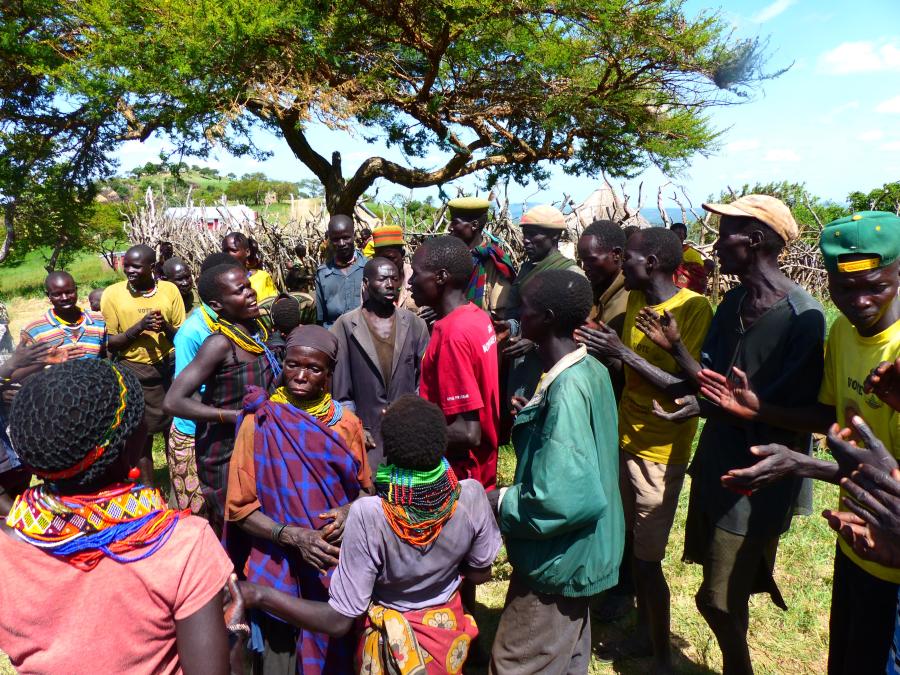
A mountain people in Uganda — branded as selfish and loveless by an anthropologist half a century ago — really is not, according to a study led by a Baylor University anthropologist.
July 20, 2020

Inpatients in a spiritually integrated program reported greater calm, less depression at completion of treatment, among findings in Baylor University study.
July 14, 2020
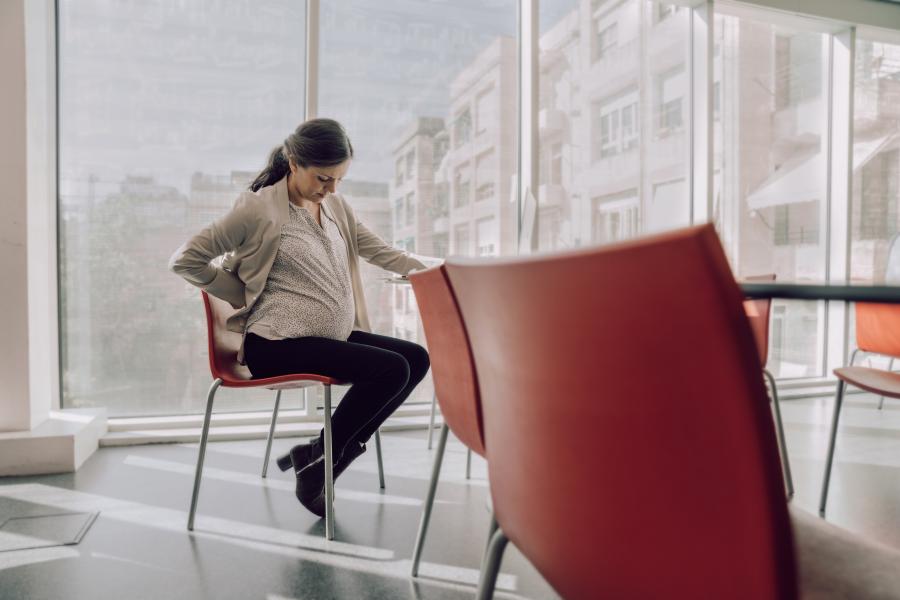
Perceived pregnancy discrimination indirectly relates to increased levels of postpartum depressive symptoms for mothers and lower birth weights, lower gestational ages and increased numbers of doctor visits for babies, according to a management study led by Baylor University.
July 9, 2020
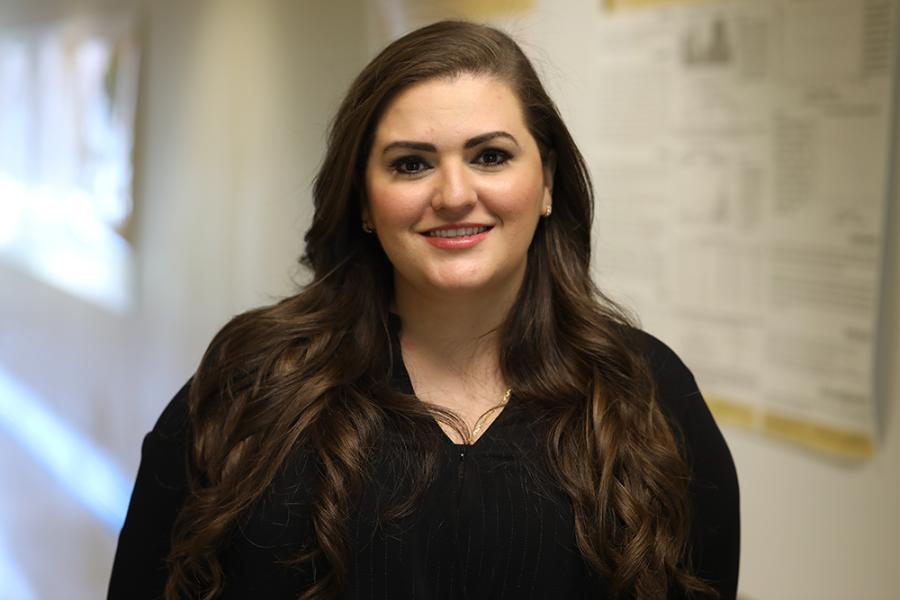
Liela Romero, a 2011 Baylor graduate, has distinguished herself as a leading young organic chemist and researcher. With the help of a $2 million CPRIT grant, she's returning to her alma mater to teach and contribute to Baylor's growing research enterprise.
July 7, 2020
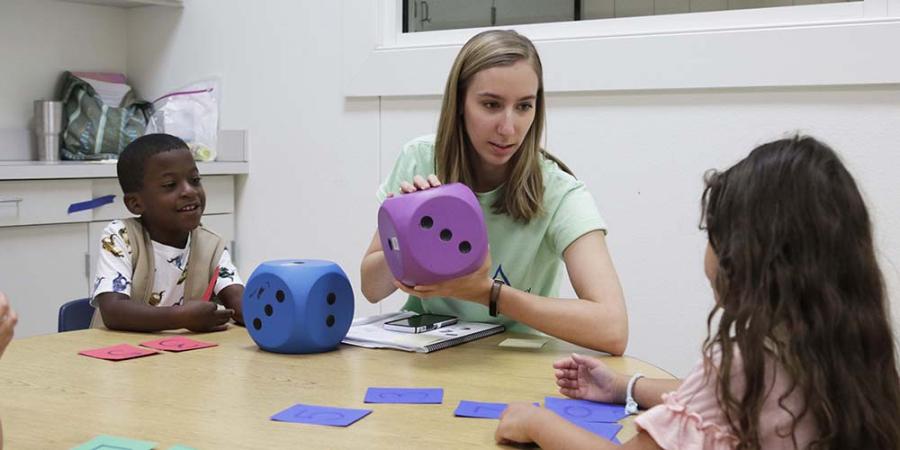
A Baylor summer program provides math intervention for children aged pre-K through second grade, developing research-based curriculum and programs to help students build a foundation for mathematic success.
July 6, 2020
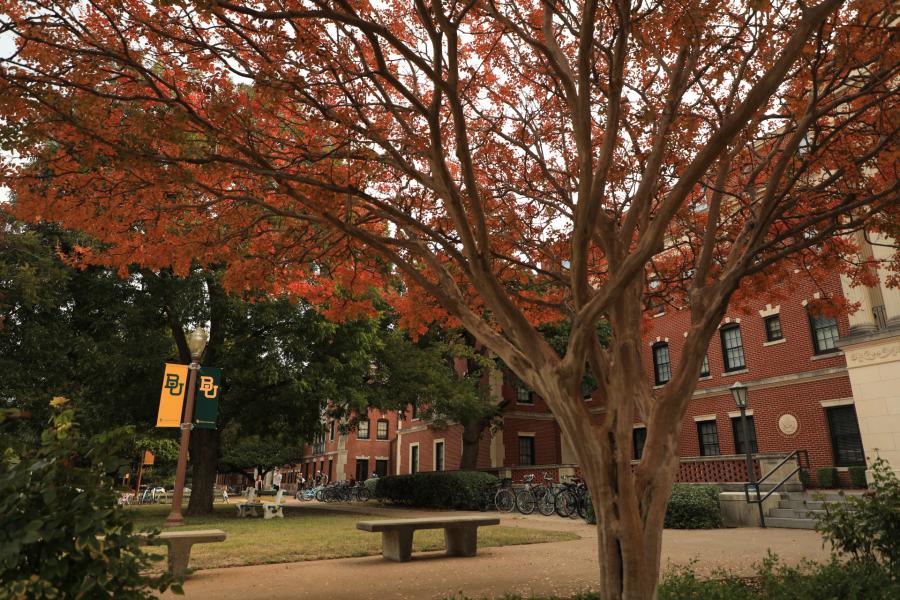
The new endowed faculty position within the Honors College will provide increased emphasis within the College on research in the Health Sciences.
June 25, 2020
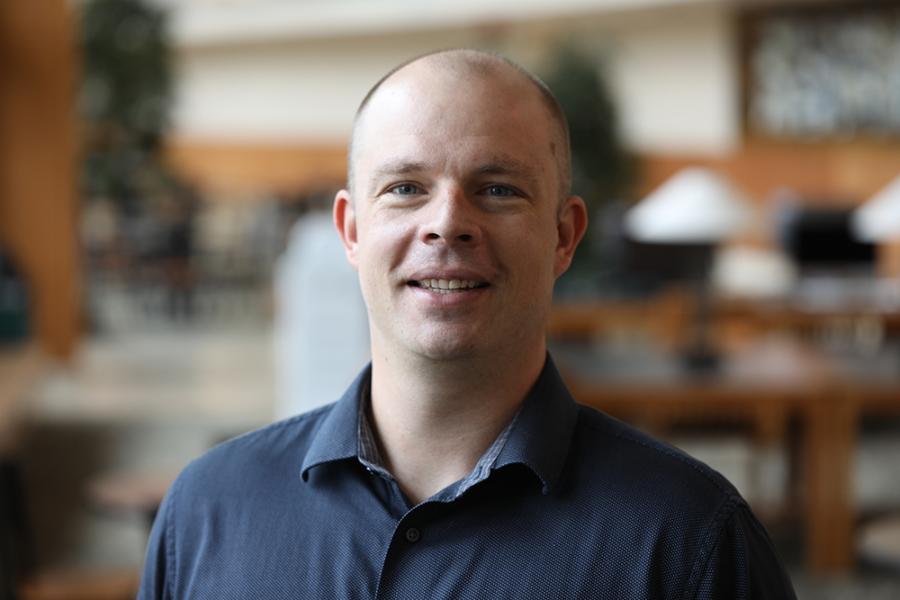
Kenny Befus, assistant professor of geosciences, is one of four Baylor faculty members to earn CAREER awards from the National Science Foundation this spring. Learn more about his research studying strains in minerals and gemstones as a record of geological forces.
June 25, 2020
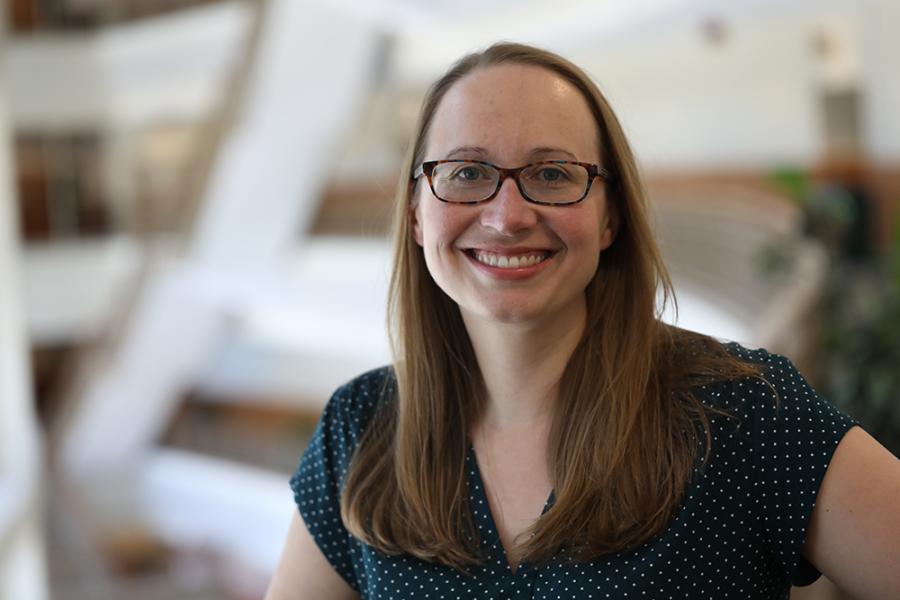
Elyssia Gallagher, assistant professor of chemistry and biochemistry, is one of four Baylor faculty members to earn CAREER awards from the National Science Foundation this spring. Learn more about her novel research to devise new methods for analyzing the function of glycans and their impact on the body.
June 25, 2020
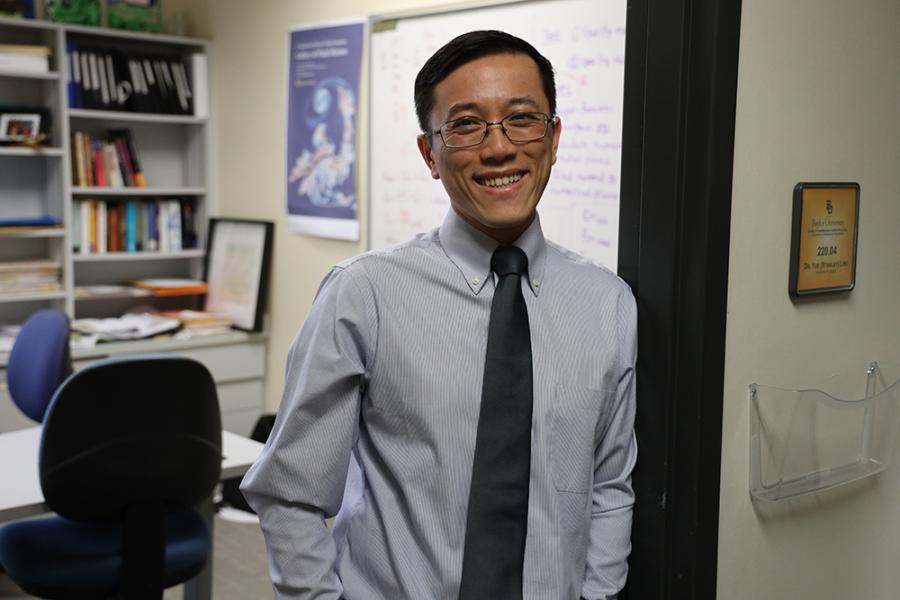
Stanley Ling, assistant professor of mechanical engineering, is one of four Baylor faculty members to earn CAREER awards from the National Science Foundation this spring. Learn more about his expansive research studying and simulating fuel sprays to enable engineers to develop more efficient fuel injection systems.
June 25, 2020
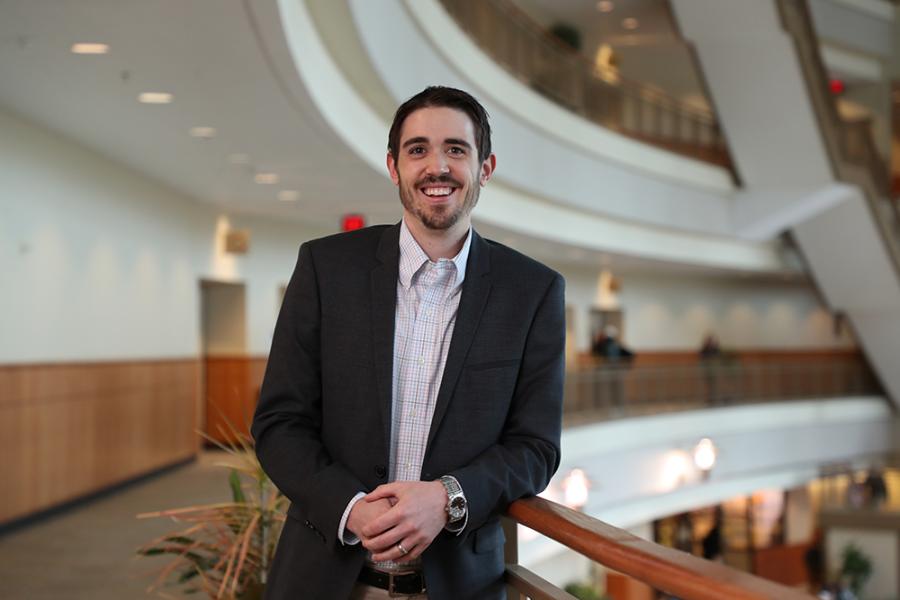
Michael Scullin, assistant professor of psychology and neuroscience, is one of four Baylor faculty members to earn CAREER awards from the National Science Foundation this spring. Learn more about his research studying the relationship between sleep and the ability to learn complex STEM materials.
June 25, 2020
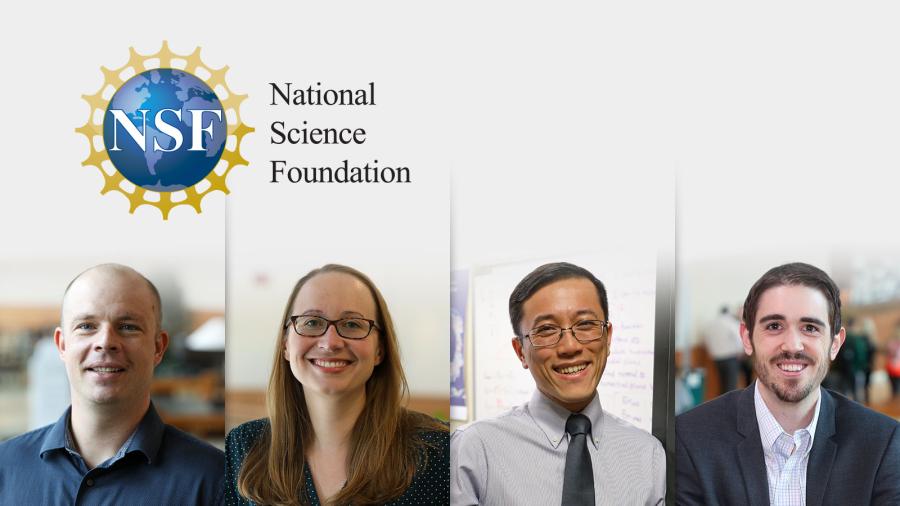
Baylor University’s drive toward Research 1 (R1) status received a major boost this spring as four faculty members earned prestigious CAREER development awards from the National Science Foundation (NSF).